
Choosing the right bathroom vanity countertops Framingham MA is about more than appearance. The countertop you install affects durability, maintenance requirements, moisture resistance, long-term value, and even your home’s resale appeal. With so many materials available, homeowners often struggle to determine which option best fits both their design preferences and their budget.
Bathrooms are exposed to constant humidity, cosmetics, cleaning products, toothpaste, soap residue, and temperature changes. A surface that looks beautiful in a showroom still needs to perform well in a real bathroom environment, especially around sinks, faucets, seams, and backsplashes.
Cost is another major consideration. Pricing varies depending on the material, slab quality, edge profile, sink cutouts, backsplash details, fabrication complexity, and installation requirements. Understanding what influences the final investment helps prevent unexpected expenses during the renovation process.
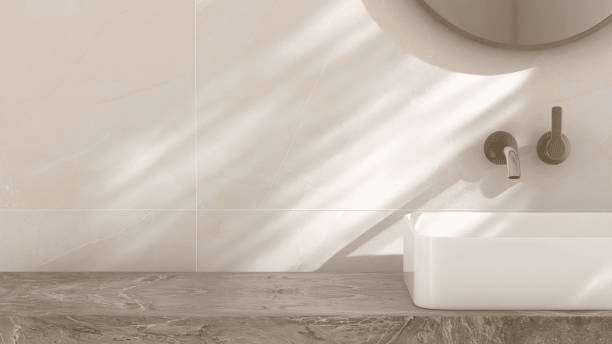
This guide explains the most popular vanity countertop materials, typical cost factors, installation considerations, and practical recommendations to help homeowners make an informed decision before beginning a bathroom renovation.
What Are Bathroom Vanity Countertops in Framingham MA?
Bathroom vanity countertops Framingham MA are custom-fabricated surfaces installed on bathroom vanities to provide a durable, moisture-resistant workspace around sinks while improving the room’s design. Available in quartz, granite, marble, porcelain, and solid surface materials, these countertops are selected based on durability, maintenance, style preferences, and project budget. Professional fabrication ensures accurate sink cutouts, proper support, polished edges, and a precise fit for each bathroom layout.
Why Choosing the Right Vanity Countertop Matters
Bathroom countertops serve a different purpose than kitchen countertops. While kitchens experience heat, heavy impacts, and food preparation, bathroom vanities primarily deal with water, cosmetics, humidity, and frequent cleaning.
Homeowners planning a bathroom update can also compare material options, showroom support, and fabrication services through custom countertop solutions in Framingham MA before deciding which surface fits their space.
These conditions make moisture resistance one of the most important characteristics when selecting a countertop. The U.S. Environmental Protection Agency notes that moisture control is central to preventing mold growth in homes, which makes ventilation, sealing, and water-resistant materials especially relevant in bathroom renovation projects.
A well-chosen vanity countertop can provide years of reliable performance with minimal maintenance while complementing the overall bathroom design.
Key Factors to Evaluate
- Water resistance
- Ease of cleaning
- Scratch resistance
- Stain resistance
- Longevity
- Design versatility
- Material and fabrication cost
- Maintenance requirements
Most Popular Bathroom Vanity Countertop Materials
Each countertop material offers unique advantages. The best choice depends on your priorities, including budget, appearance, maintenance preferences, and expected longevity.
1.Quartz Countertops
Quartz remains one of the most requested materials for bathroom remodeling projects throughout Framingham. Unlike natural stone, quartz is an engineered material made from natural quartz minerals combined with resins and pigments. The result is a highly consistent, non-porous surface that performs very well in humid environments.
Quartz is often recommended for homeowners who want a clean appearance, predictable color patterns, and low maintenance. Because it does not require sealing, it is practical for family bathrooms, guest bathrooms, and rental properties where durability and easy care matter.
2.Advantages of Quartz
- Non-porous surface
- Excellent stain resistance
- No sealing required
- Wide variety of colors and patterns
- Uniform appearance
- Low maintenance
- Strong resistance to moisture
Quartz also minimizes concerns about liquid absorption because water and common bathroom products cannot easily penetrate its surface. This makes it particularly attractive for busy bathrooms.
3.Quartz Considerations
Although quartz is highly durable, it is generally more expensive than some entry-level natural stones. Premium colors, large integrated backsplashes, and decorative edge profiles may also increase fabrication costs.
4.Granite Countertops
Granite remains a timeless choice for homeowners who appreciate natural stone. Every granite slab features unique mineral patterns, making each vanity one of a kind.
Homeowners who want to compare stone options in person can review the company’s material selection and showroom background through the Magic Touch Countertops showroom in Framingham, where quartz, granite, and marble options are available for residential and commercial projects.
5.Advantages of Granite
- Natural beauty
- High durability
- Excellent scratch resistance
- Wide color selection
- Strong resale appeal
Properly sealed granite performs very well in bathroom environments. It is especially suitable for homeowners who want natural variation, visible mineral movement, and long-term surface strength.
6.Granite Considerations
Granite requires periodic sealing to maintain stain resistance. Some lighter granite varieties may absorb moisture more easily if they are not properly maintained, especially around sink areas and faucet holes.
7.Marble Countertops
Marble continues to be associated with luxury bathroom designs. Its elegant veining creates a sophisticated appearance that few materials can replicate.
8.Advantages of Marble
- Premium appearance
- Distinctive natural veining
- Timeless style
- Strong visual value for master bathrooms and powder rooms
Marble is especially popular in master bathrooms, luxury remodels, historic home renovations, and powder rooms where design impact is a priority.
9.Marble Considerations
Marble is softer than quartz and granite. It may develop etching from acidic products such as certain facial cleansers, cosmetics, or cleaning solutions. Homeowners choosing marble should understand that regular care helps preserve its appearance over time.
10.Porcelain Countertops
Porcelain has gained popularity as manufacturing technology has improved. Modern porcelain slabs provide strong performance while offering designs that resemble marble, concrete, or natural stone.
11.Advantages of Porcelain
- Very low water absorption
- Scratch resistance
- Lightweight profile compared to many stones
- Modern appearance
- Good performance in bathroom environments
Because bathrooms receive less heavy impact than kitchens, porcelain performs particularly well for vanity installations when fabricated and installed correctly.
12.Porcelain Considerations
Fabrication requires specialized equipment and experienced installers. Improper cutting, transport, or handling can increase the risk of edge damage during installation.
13.Solid Surface Countertops
Solid surface materials provide a seamless appearance and integrated sink options. Many homeowners appreciate the clean, modern look they create.
14.Advantages of Solid Surface
- Seamless joints
- Repairable surface
- Integrated sink options
- Simple maintenance
- Contemporary appearance
These countertops are often selected for contemporary bathroom designs where minimal visible seams are desired.
15.Solid Surface Considerations
Solid surface materials generally scratch more easily than quartz or granite. However, many surface scratches can be repaired through professional refinishing.
Comparing Bathroom Vanity Countertop Materials and Costs
While exact pricing depends on slab selection, fabrication, and installation complexity, homeowners can generally compare materials by performance, maintenance, and long-term value.
| Material | Typical Cost Range | Maintenance | Durability | Water Resistance |
| Quartz | $$$ | Very Low | Excellent | Excellent |
| Granite | $$–$$$ | Moderate | Excellent | Very Good when sealed |
| Marble | $$$$ | High | Good | Good with proper care |
| Porcelain | $$$ | Low | Excellent | Excellent |
| Solid Surface | $$ | Low | Good | Excellent |
Material cost represents only one portion of the overall project budget. Professional measuring, fabrication, sink cutouts, backsplashes, edge profiles, plumbing adjustments, demolition, and installation all contribute to the final investment.
Factors That Influence Countertop Pricing
Homeowners are often surprised that two vanities made from the same material can have noticeably different prices. Several variables influence the total project cost.
1.Slab Quality
Natural stone and quartz are available in multiple quality levels. Premium slabs often feature more distinctive veining, rare colors, larger continuous patterns, and higher consistency. Higher-grade materials generally command higher prices.
2.Vanity Size
Larger vanities require more material and fabrication time. Double-sink bathroom vanities also require additional sink cutouts, more polishing, larger slabs, and more labor. As vanity dimensions increase, fabrication costs typically rise as well.
3.Edge Profile
A simple eased edge is usually more cost-effective than a decorative ogee or layered edge. Edge profile selection should match both the bathroom style and the project budget.
4.Sink Cutouts and Faucet Holes
Undermount sinks require polished cutout edges. Vessel sinks may need fewer cutouts but require accurate placement. Faucet configuration also matters because single-hole, widespread, and wall-mounted faucets involve different planning requirements.
How Bathroom Vanity Countertop Installation Works in Practice
Installing bathroom vanity countertops Framingham MA involves more than selecting a slab. Accurate measurements, skilled fabrication, and professional installation all contribute to the final result. Even small measurement errors can affect sink alignment, plumbing connections, wall fitment, and backsplash placement.
- Initial consultation: The project begins with an assessment of the bathroom layout, preferred material, color, finish, sink style, edge profile, backsplash options, and budget expectations.
- Material selection: The homeowner selects quartz, granite, marble, porcelain, or another suitable surface. Natural stone should ideally be selected from actual slabs because each piece has unique veining and color variation.
- Professional measurements: Technicians verify vanity dimensions, wall angles, plumbing locations, faucet spacing, sink placement, backsplash height, and clearance around mirrors and fixtures.
- Fabrication: The slab is cut according to the approved template. Fabrication includes sink openings, faucet holes, polished edges, backsplash pieces, and final finishing.
- Installation: Professionals position the countertop, check levelness, secure the surface, seal joints where appropriate, prepare the sink and faucet openings, and complete a final inspection.
Most bathroom vanity installations can be completed in a single day once fabrication has been finished, although the full project timeline depends on material availability, templating, plumbing coordination, and project scope.
Choosing the Right Sink Configuration
The countertop and sink should be selected together because each installation method requires different fabrication techniques.
Undermount Sinks
Undermount sinks are installed beneath the countertop, leaving the surface uninterrupted. They are easy to clean, visually modern, and well suited for quartz and granite vanity tops.
Vessel Sinks
Vessel sinks sit above the countertop and create a decorative focal point. They are popular in contemporary bathrooms, luxury remodels, powder rooms, and spa-inspired spaces.
Integrated Sinks
Some solid surface materials allow the sink and countertop to be fabricated as one continuous piece. This reduces seams around the sink, simplifies cleaning, and supports a clean modern design.
Technical and Operational Considerations Before Installation
Material appearance should never be the only deciding factor. Long-term performance depends on how well the countertop suits the bathroom environment, the homeowner’s maintenance habits, and the renovation scope.
Moisture Resistance and Ventilation
Bathrooms experience frequent humidity and water exposure. Non-porous materials such as quartz, porcelain, and solid surface offer excellent moisture resistance without requiring periodic sealing.
The EPA guidance on remodeling and indoor air quality emphasizes that bathroom ventilation helps remove excess moisture and reduce mold and mildew risk. This is why countertop selection should be considered alongside proper exhaust ventilation, caulking, and water management.
Permits, Plumbing, and Local Requirements
A countertop replacement may be simple when the vanity, sink location, and plumbing stay the same. However, larger bathroom remodels can involve plumbing, electrical, or structural work.
Homeowners should review Massachusetts home improvement guidance and consult local building officials when renovation work changes plumbing connections, walls, electrical systems, or fixture locations.
Cleaning Products and Surface Protection
Bathroom countertops regularly come into contact with soaps, cosmetics, hair products, toothpaste, and cleaners. Harsh chemicals, abrasive pads, and acidic products may damage certain surfaces, especially marble and other calcium-based stones.
For routine cleaning, homeowners can also review the EPA’s Safer Choice program when evaluating cleaning products designed with safer chemical ingredients.
Color Consistency and Design Planning
Engineered materials typically provide greater consistency across multiple slabs. Natural stones exhibit unique patterns and mineral variations, making each installation distinct. Homeowners remodeling multiple bathrooms often choose quartz because matching colors between projects is generally easier.
Reviewing completed projects can help clarify what different materials look like after fabrication and installation. The countertop project gallery provides useful visual reference for homeowners comparing stone movement, edge details, and finished spaces.
Common Mistakes When Choosing Bathroom Vanity Countertops
Even with a clear design vision, overlooking practical considerations can lead to unnecessary costs or long-term dissatisfaction. Avoiding the following mistakes helps ensure a countertop that performs well and complements the overall bathroom.
1.Choosing Material Based Only on Appearance
A countertop may look impressive in a showroom but perform differently in daily use. Marble, for example, offers timeless beauty but requires more maintenance than quartz.
To avoid this mistake, compare durability, maintenance needs, and moisture resistance alongside aesthetics before making a final decision.
2.Ignoring Maintenance Requirements
Every countertop material has different care recommendations. Selecting a surface without understanding its maintenance needs may result in premature wear, staining, or etching.
To avoid this mistake, ask your fabricator what routine cleaning and periodic maintenance each material requires.
3.Underestimating Fabrication Quality
Even premium materials can look poor if fabricated incorrectly. Uneven edges, inaccurate sink cutouts, or poorly finished seams affect both appearance and longevity.
To avoid this mistake, work with an experienced countertop fabricator that uses precise templating and professional installation methods.
4.Selecting the Wrong Sink Style
The sink and countertop should complement one another. Choosing a sink after fabrication has begun can increase costs or require design changes.
To avoid this mistake, finalize sink selection before measurements and fabrication.
5.Focusing Only on Initial Price
The least expensive countertop is not always the best long-term investment. Maintenance costs, durability, and replacement frequency all influence overall value.
To avoid this mistake, evaluate lifecycle cost rather than purchase price alone.
Benefits of Choosing the Right Bathroom Vanity Countertop
Selecting the appropriate countertop material provides advantages that extend beyond visual appeal.
Improved Durability
Quality materials resist everyday wear, helping the vanity maintain its appearance for years with proper care.
Easier Cleaning
Non-porous surfaces reduce the buildup of soap residue, cosmetics, and moisture, making routine cleaning faster and more effective.
Better Moisture Protection
Bathrooms are exposed to constant humidity. Choosing a moisture-resistant countertop helps reduce the likelihood of staining, swelling, or long-term surface damage.
Increased Home Value
Updated bathrooms remain one of the most attractive features for prospective buyers. A professionally fabricated vanity countertop can contribute to a more polished and desirable space.
Design Flexibility
Modern countertop materials are available in a wide range of colors, textures, and finishes, making it easier to coordinate with cabinetry, flooring, mirrors, and fixtures.
Long-Term Value
Although premium materials may involve a higher initial investment, their durability and lower maintenance requirements often provide better value over time.
Frequently Asked Questions About Bathroom Vanity Countertops Framingham MA
1.What is the best material for bathroom vanity countertops?
Quartz is one of the most popular choices because it is non-porous, easy to maintain, durable, and available in many colors and patterns. Granite, porcelain, marble, and solid surface materials are also strong options depending on the project’s goals.
2.How much do bathroom vanity countertops typically cost?
Pricing varies based on material, slab quality, edge profile, sink cutouts, backsplash details, and installation complexity. Quartz and granite generally offer a strong balance between performance and long-term value, while marble often represents a higher-end investment.
3.Are quartz countertops good for bathrooms?
Yes. Quartz performs exceptionally well in bathrooms because it resists moisture, stains, and everyday cosmetic products without requiring periodic sealing.
4.Do granite bathroom countertops need sealing?
Yes. Granite is naturally porous and should be sealed periodically according to the fabricator’s or manufacturer’s recommendations to help maintain stain resistance and surface protection.
5.How long does countertop installation usually take?
After measurements and fabrication are complete, installation is typically completed in one day. Fabrication time varies depending on material availability, project complexity, and scheduling.
6.Can I replace only the countertop without changing the vanity cabinet?
In many cases, yes. If the existing cabinet is structurally sound, level, and properly sized, a new custom countertop can often be installed without replacing the vanity base.
Making an Informed Choice for Your Bathroom Remodel
Selecting the right bathroom vanity countertops Framingham MA involves balancing design preferences, maintenance expectations, durability, and budget. While quartz remains a leading choice for homeowners seeking low maintenance and long-term performance, granite, marble, porcelain, and solid surface materials each offer distinct advantages depending on the style and functional requirements of the space.
A successful bathroom renovation also depends on accurate measurements, skilled fabrication, and professional installation. Careful planning, from material selection to sink configuration and edge profile, helps create a vanity that performs well for years while enhancing the overall appearance of the bathroom.
By understanding the characteristics of each material and working with experienced professionals, homeowners can make confident decisions that align with both their design vision and practical needs.
Create a Bathroom Vanity Designed for Lasting Performance
Whether you are updating a powder room or completing a full bathroom renovation, selecting the right countertop is one of the most important decisions in the project. From helping you compare materials to providing custom fabrication and precise installation, Magic Touch Countertops delivers solutions tailored to your home’s style, budget, and functional requirements.
If you are planning a bathroom remodel in Framingham or the surrounding area, speak with the Magic Touch Countertops team to discuss material options, custom measurements, fabrication details, and installation planning for your vanity countertop project.