Countertop materials
Six materials, each with its own way of living in a kitchen. Natural stone you choose slab by slab in our yard; quartz and porcelain you choose from the maker's palette. Every color below is in our quote builder.
Quartz
Quartz is about nine parts ground natural quartz to one part resin and pigment, pressed into slabs. It is non-porous, so it does not need sealing and shrugs off coffee, wine and oil. It is not made for direct heat: a hot pan goes on a trivet.
- Cambria
- Caesarstone
- Silestone
- MSI
- Viatera
- HanStone
- Wilsonart
- Vicostone
- Cosmos
- Vadara
- Valiant
- Variant
- Raphael Stone
- Stratus
- Ultra Stones
- Topzstone
- Spectrum
- Zodiaq
- Pental
- Aggranite
- Enigma
- Mikado
- Curava
- Symphony by Aurea
- Zeal
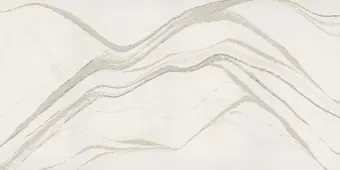 BrittaniccaCambriaQuote this color
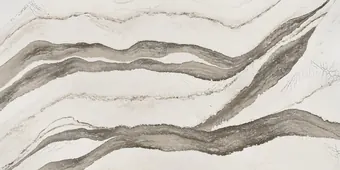 Skara BraeCambriaQuote this color
 EllaCambriaQuote this color
 TorquayCambriaQuote this color
 SwanbridgeCambriaQuote this color
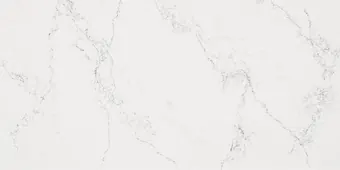 Empira WhiteCaesarstoneQuote this color
 Et Calacatta GoldSilestoneQuote this color
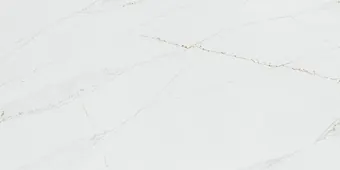 Ethereal GlowSilestoneQuote this color
 Calacatta VenatoHanStoneQuote this color
 MontaukHanStoneQuote this color
 MinuetViateraQuote this color
 ClarinoViateraQuote this color
Granite
Granite is cut from the quarry in blocks and sawn into slabs, so every slab is different: you choose the one that becomes your kitchen. It handles heat, knives and decades of use. It is porous enough to need sealing, usually once a year or two depending on the stone.
More about granite Absolute Black PremiumQuote this color
 Steel GreyQuote this color
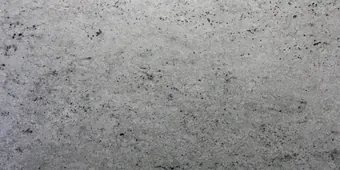 Colonial WhiteQuote this color
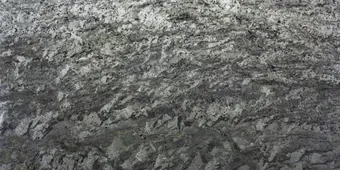 Alaskan WhiteQuote this color
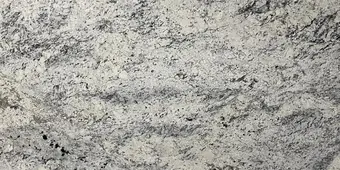 White IceQuote this color
 Giallo OrnamentalQuote this color
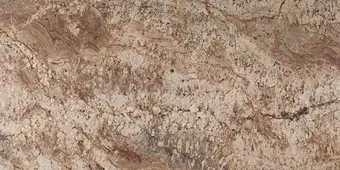 Typhoon BordeauxQuote this color
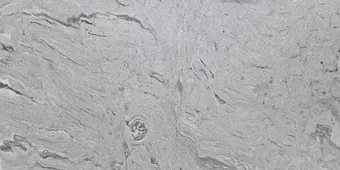 Silver CloudQuote this color
 Galaxy BlackQuote this color
Quartzite
Quartzite is sandstone turned by heat and pressure into one of the hardest stones used for countertops. It carries the long, soft veins people love in marble, without marble's softness. It still needs sealing, and the slabs vary a lot, so seeing them in person matters.
More about quartzite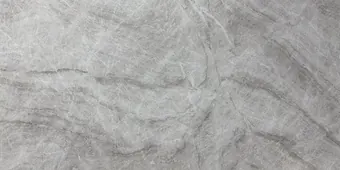 Taj MahalQuote this color
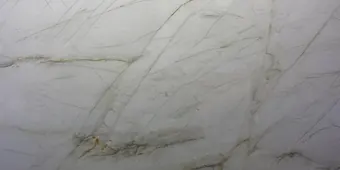 Mont BlancQuote this color
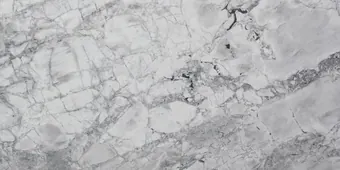 Super WhiteQuote this color
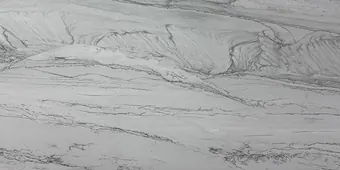 Infinity WhiteQuote this color
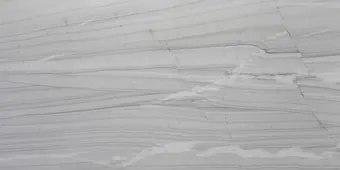 Sea PearlQuote this color
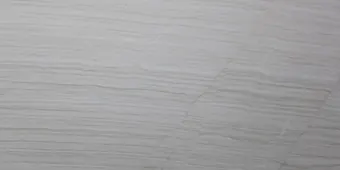 White MacaubasQuote this color
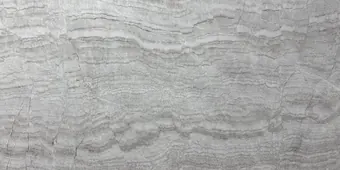 Perla VenataQuote this color
Marble
Marble is softer than granite and quartzite. Acids like lemon and vinegar can etch a polished finish, and over years a marble top takes on a lived-in patina that many people choose it for. A honed finish hides etching better. It is at its best on vanities, fireplaces, baking areas and backsplashes.
More about marble Bianco CarraraQuote this color
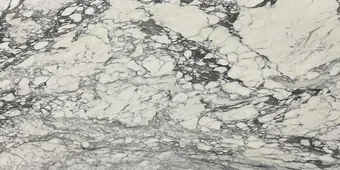 Arabescato CorchiaQuote this color
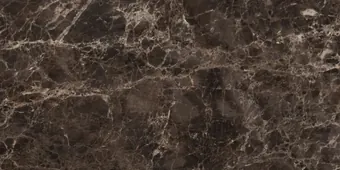 Emperador DarkQuote this color
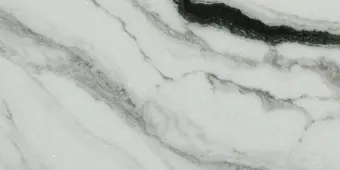 Panda WhiteQuote this color
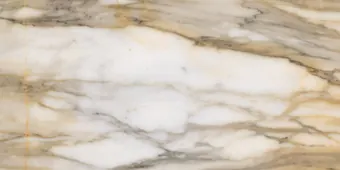 Calacatta Macchia VecchiaQuote this color
 BotticinoQuote this color
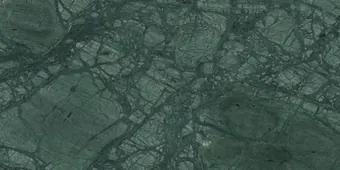 Verde GuatemalaQuote this color
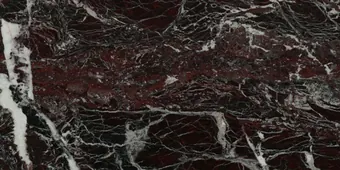 Rosso LevantoQuote this color
Porcelain & Dekton
Porcelain and sintered surfaces like Dekton and Neolith are fired at very high temperatures into thin, dense slabs. They take hot pans, UV and freezing winters, which makes them a strong choice for outdoor kitchens. The pattern is printed through the body or on the face, so edge choices are more limited than with stone.
- Dekton
- Neolith
- Stile
- Teracanto
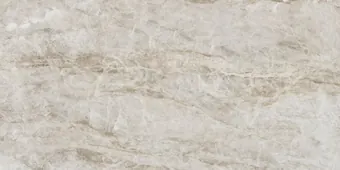 TagaDektonQuote this color
 KelyaDektonQuote this color
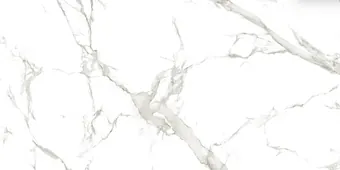 AuraDektonQuote this color
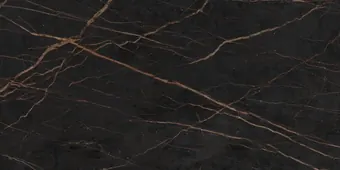 LaurentDektonQuote this color
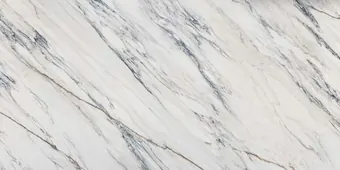 TranceDektonQuote this color
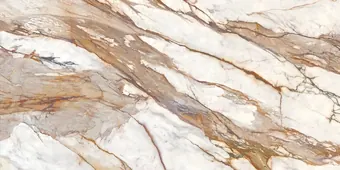 Calacatta LuxeNeolithQuote this color
Soapstone
Soapstone is a soft, dense stone that acids and stains don't touch. It scratches easily, but scratches sand or oil out, and the stone darkens to a deep charcoal with mineral oil. Many owners love how it ages.
Ask about soapstone Black SoapstoneQuote this color
 Churchill SoapstoneQuote this color
Every color we price
The full catalog behind our quote builder: search by maker or color, then send us the name.
Have a layout? We'll price it.
A sketch with sizes, a few photos or your contractor's plans, plus the stone you like, are enough for a first price.